
Did you know that the average kitchen can harbor up to 10,000 individual items? That’s a staggering number, and for many, it translates to visual clutter, frantic searches for utensils, and a general sense of overwhelm. But what if your kitchen could be a sanctuary? A place of calm efficiency, where every item has its purpose and the space itself breathes tranquility? This is the promise of creating a minimalist kitchen design. It’s not just about emptiness; it’s about intentionality, about curating a space that truly serves you.
The Philosophy of Less: Why Embrace Minimalism in Your Culinary Hub?
When we talk about creating a minimalist kitchen design, it’s easy to picture stark white boxes and a distinct lack of personality. However, the reality is far more nuanced and deeply rewarding. Minimalism, at its core, is about purpose. It’s an ongoing process of asking: “Does this serve me? Does it add value? Does it bring me joy?” Applied to your kitchen, this means moving away from the accumulation of possessions and towards a deliberate curation of function and form. It’s about questioning the inherent “need” for every gadget and gizmo, and instead, focusing on what truly enhances your cooking experience and daily life.
This approach isn’t just about aesthetics; it’s profoundly practical. A decluttered kitchen is a more efficient kitchen. Think about it: when you can see what you have, finding that elusive whisk becomes a matter of seconds, not minutes spent rummaging. Furthermore, a minimalist design often leads to easier cleaning and maintenance. Fewer surfaces mean less to wipe down, and a streamlined environment feels inherently more hygienic and welcoming. It’s about finding beauty in simplicity, and a sense of freedom in shedding the unnecessary.
Sculpting Space: The Art of Functional Minimalism
So, how do we begin to sculpt a space that embodies this philosophy? Creating a minimalist kitchen design isn’t about deprivation; it’s about optimization. It’s about making every element count.
#### Streamlining Surfaces: The Decluttering Deep Dive
The first, and perhaps most crucial, step in creating a minimalist kitchen design is a thorough decluttering. This isn’t a quick sweep; it’s a deep dive into every drawer, cabinet, and pantry shelf.
Assess Your Utensils: Do you really need three different-sized colanders? Keep only what you use regularly. Consider multi-functional tools.
Evaluate Appliances: Those single-use gadgets (egg slicers, avocado tools) that haven’t seen the light of day in a year? It might be time to let them go.
Conquer the Countertops: This is where clutter often becomes most visible. Aim for clear countertops, housing only frequently used items like a coffee maker or a stylish knife block. Everything else should have a designated, hidden home.
The “One-In, One-Out” Rule: Once you’ve decluttered, adopt this habit to maintain your minimalist kitchen. For every new item that enters, an old one must leave.
#### Embracing Smart Storage: Hidden Homes for Essentials
Effective storage is the backbone of any successful minimalist kitchen design. The goal is to keep surfaces clear while ensuring everything is easily accessible.
Drawer Dividers are Your Best Friend: These are invaluable for organizing cutlery, utensils, and even spices, preventing them from becoming a chaotic jumble.
Vertical Storage Solutions: Think about tall, slim cabinets or open shelving with stylish containers for items like pasta, grains, or oils. This maximizes space and keeps things tidy.
Cabinet Interiors: Don’t neglect the inside of your cabinets. Pull-out shelves, lazy Susans, and stackable containers can make a huge difference in maximizing every inch.
Pegboards and Wall-Mounted Organizers: These can be fantastic for hanging pots, pans, and even smaller utensils, freeing up valuable cabinet and drawer space.
The Aesthetics of Simplicity: Color, Material, and Light
Beyond the functional aspects, the visual elements play a significant role in achieving a truly minimalist kitchen design. It’s about creating an atmosphere of calm and order.
#### A Palette of Peace: Color Choices and Their Impact
Minimalist kitchens often gravitate towards a restrained color palette. This isn’t to say they’re boring, but rather that the colors are chosen to promote a sense of serenity.
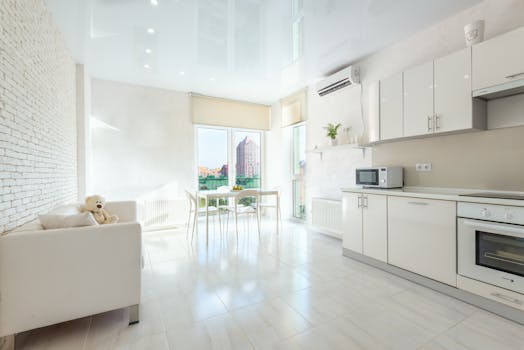
Neutrals Reign Supreme: Whites, creams, grays, and muted earth tones create a sense of spaciousness and tranquility. They act as a neutral backdrop, allowing the form and function of the kitchen to take center stage.
Strategic Pops of Color: If you crave a bit more vibrancy, consider adding subtle pops of color through accessories like dish towels, artwork, or even a single, well-chosen appliance. The key is restraint.
Monochromatic Schemes: Exploring monochromatic designs can be incredibly sophisticated. Think variations of a single color, creating depth and visual interest without overwhelming the space.
#### Material Matters: Texture and Timelessness
The materials you choose can profoundly impact the feel of your minimalist kitchen. Opting for high-quality, natural materials often lends a sense of timeless elegance and durability.
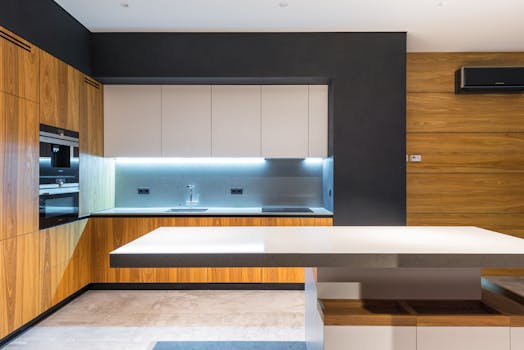
Natural Wood: Warm wood tones, whether in cabinetry or countertops, bring an organic warmth that can prevent a minimalist kitchen from feeling sterile.
Stone and Quartz: These durable and beautiful materials offer a sleek, clean look for countertops and backsplashes.
Matte Finishes: Matte finishes on cabinetry and appliances tend to absorb light rather than reflect it, contributing to a softer, more serene atmosphere.
Consider an Integrated Sink: A sink seamlessly integrated into the countertop creates a smooth, unbroken surface, enhancing the minimalist aesthetic.
#### The Power of Natural Light: Illuminating the Intentional
Light is arguably the most crucial element in any kitchen, and in a minimalist design, it’s a tool for enhancement.
Maximize Natural Light: Keep window treatments simple and unobtrusive to allow as much natural light as possible to flood the space.
Strategic Artificial Lighting: Layer your lighting. Ambient lighting for general illumination, task lighting under cabinets for food prep, and perhaps accent lighting to highlight architectural features or artwork.
Reflective Surfaces (Used Sparingly): While a minimalist kitchen isn’t about high gloss everywhere, a well-placed mirror or a slightly reflective backsplash can bounce light around and make the space feel even larger.
Integrating Technology Thoughtfully: The Smart, Unobtrusive Kitchen
In today’s world, technology is often a part of our kitchens. Creating a minimalist kitchen design means integrating it thoughtfully, ensuring it enhances rather than detracts from the overall feel.
#### Appliances That Blend In
Modern appliance design often leans towards sleek lines and integrated features.
Panel-Ready Appliances: These appliances are designed to accept custom panels that match your cabinetry, making them virtually disappear into the overall design.
Integrated Hoods: Recessed or integrated range hoods offer a cleaner look than freestanding models.
Smart Ovens and Refrigerators: While technology is key here, look for models with minimalist interfaces and clean lines that don’t scream “gadget.”
#### Hidden Tech for a Seamless Look
Think about how everyday tech can be subtly incorporated.
Charging Stations: Designate a specific drawer or cabinet with built-in charging ports for phones and tablets, keeping cords out of sight.
Smart Speakers: A single, sleek smart speaker can provide music and voice control without cluttering surfaces with multiple devices.
Under-Cabinet Lighting with Smart Controls: This offers both functionality and a modern, uncluttered feel.
The Ongoing Journey: Maintaining Your Minimalist Kitchen Design
Creating a minimalist kitchen design is not a one-time event; it’s an ongoing practice. It’s about cultivating a mindful relationship with your space and your possessions.
#### Regular Re-evaluation
Periodically revisit your kitchen with a critical eye. Are there items you’ve accumulated that no longer serve a purpose? Are your storage solutions still working effectively? This regular check-in is vital to maintaining the integrity of your minimalist design.
#### Embracing Imperfection
A perfectly curated space doesn’t mean a sterile one. A minimalist kitchen can still feel warm and inviting. It’s about finding beauty in the functionality, the quality of materials, and the intentionality behind each choice. Don’t be afraid to let your personality shine through subtle touches.
Wrapping Up: The Enduring Appeal of a Purposeful Kitchen
Creating a minimalist kitchen design is a journey of intentionality. It’s about stripping away the superfluous to reveal the essential, transforming a functional space into a sanctuary of calm and efficiency. By focusing on smart storage, a restrained aesthetic, and thoughtful integration of technology, you can cultivate a kitchen that not only looks beautiful but also enhances your daily life. This isn’t about living with less; it’s about living better with what truly matters. It’s an exploration that, once begun, can ripple outwards, influencing how you approach other areas of your home and, perhaps, even your life.