



The proliferation of smart home technology has reached even the most unassuming corners of our living spaces, and perhaps nowhere is this more apparent than with the humble yet transformative light strip. Gone are the days when lighting was a mere functional necessity; today, smart light strips with mobile control offer a dynamic canvas for ambiance, security, and even health. But what are the true implications of handing over the reins of our illumination to an app? It’s a question that delves deeper than simple convenience, touching upon user experience, integration potential, and the evolving definition of a “smart” home.
The Power of Personalization: Beyond Simple On/Off
The most immediate benefit of smart light strips with mobile control is the unparalleled level of customization they offer. We’re not just talking about dimming; we’re discussing a spectrum of possibilities previously confined to professional lighting designers.
Color Spectrum Mastery: Forget the basic warm or cool white. These strips boast millions of colors, allowing users to tailor their environment to any mood, occasion, or even time of day. Imagine shifting from a vibrant, energetic red for a party to a calming, deep blue for winding down in the evening, all with a few taps.
Dynamic Effects and Scenes: Many platforms allow for the creation of custom lighting “scenes” – pre-set combinations of color, brightness, and even movement. This extends to dynamic effects like pulsing, fading, and chasing lights, transforming static spaces into engaging visual experiences. Think of a subtle, slow fade for relaxation or a more energetic pattern for entertaining.
Scheduling and Automation: This is where the “smart” truly shines. Users can schedule lights to turn on and off at specific times, creating the illusion of occupancy for security or gently waking them with simulated sunrise. Furthermore, integration with other smart home devices means lights can react to events – turning on when a smart lock unlocks, or flashing red if a smoke detector is triggered.
Seamless Integration: The Hub of Your Connected Ecosystem
The true power of smart light strips with mobile control often lies not in their standalone capabilities, but in their ability to integrate within a broader smart home ecosystem. This connectivity opens up a world of synergistic automation possibilities, making your home more responsive and intuitive.
#### Voice Command and Smart Assistants
The natural language interface provided by smart assistants like Amazon Alexa, Google Assistant, and Apple’s Siri is a game-changer.
Effortless Control: A simple spoken command can adjust brightness, change color, or activate a pre-set scene. This hands-free operation is particularly useful when your hands are full or when you’re already comfortably settled.
Routine Integration: Lights can become integral parts of larger routines. For instance, a “Good Morning” routine could simultaneously turn on bedside lamps, adjust thermostat settings, and start the coffee maker – all initiated by a single voice command or a scheduled event.
#### Interoperability with Other Smart Devices
Beyond voice control, smart light strips can interact with a multitude of other smart devices, enhancing functionality and creating sophisticated automation scenarios.
Security Automation: Imagine your lights flashing a specific color if your smart doorbell detects motion after dark, or the entire house illuminating if a security sensor is tripped.
Entertainment Enhancement: Syncing light strip colors with movie playback or music can dramatically amplify the immersive experience. Some systems even offer specialized modes that react to audio cues.
Health and Wellness: While still emerging, some systems are exploring integrations for circadian rhythm lighting, adjusting color temperature and brightness throughout the day to mimic natural sunlight, potentially improving sleep patterns and overall well-being.
Navigating the Technical Landscape: Beyond the Basics
For the discerning user, understanding the underlying technology and potential limitations of smart light strips with mobile control is crucial for making informed purchasing decisions and maximizing their utility.
#### Connectivity Protocols: Wi-Fi vs. Bluetooth vs. Zigbee/Z-Wave
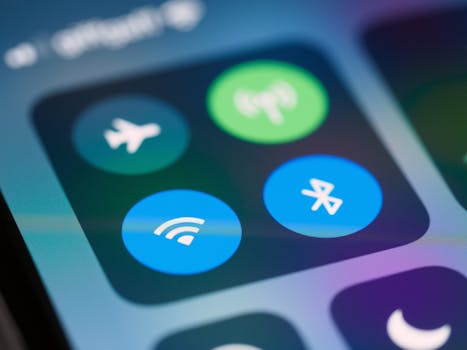
The way your light strips connect to your network significantly impacts performance, range, and integration capabilities.
Wi-Fi: Offers direct connection to your home router, generally providing good range and speed. However, it can add to network congestion and may require more power.
Bluetooth: Often simpler to set up and more power-efficient, but typically has a shorter range, requiring the mobile device to be relatively close to the strips.
Zigbee/Z-Wave: These are low-power mesh networking protocols that require a dedicated hub. They excel at creating robust, scalable networks that don’t bog down your Wi-Fi and offer excellent responsiveness and range.
#### App Functionality and Ecosystem Lock-in
The accompanying mobile application is your primary interface. Its design, features, and intuitiveness are paramount.
User Interface (UI) and User Experience (UX): A well-designed app makes complex settings accessible and easy to manage. Poorly designed apps can be frustrating, diminishing the value of the product.
* Ecosystem Compatibility: Be mindful of which smart home platforms a brand supports. Some manufacturers favor proprietary ecosystems, potentially limiting integration with other brands you might already own or plan to acquire. Cross-platform compatibility (e.g., Apple HomeKit, Google Home, Amazon Alexa) is a significant advantage.
The Future is Lit: Evolving Trends and Considerations
The evolution of smart lighting is far from complete. As the technology matures, we can expect even more sophisticated features and broader adoption.
#### Beyond Ambiance: Smart Lighting as a Functional Tool
The focus is shifting beyond decorative uses. Think about smart lighting that actively assists with tasks, improves productivity, or enhances safety in more profound ways. The potential for integration with AI-driven home management systems is immense.
#### Increased Energy Efficiency and Sustainability
As smart home devices become more sophisticated, so does their ability to optimize energy consumption. Smart light strips can be programmed for maximum efficiency, turning off when rooms are unoccupied or dimming based on ambient light levels.
#### Accessibility and Inclusivity
For individuals with mobility issues or visual impairments, the voice-controlled and app-based nature of smart light strips with mobile control can offer a significant improvement in independence and control over their environment.
The Illuminating Conclusion: A Smarter Home Starts with Smarter Light
The implications of smart light strips with mobile control extend far beyond a mere aesthetic upgrade. They represent a tangible step towards a more responsive, personalized, and integrated living environment. From the granular control over ambiance to their seamless integration into complex smart home routines, these devices are transforming how we interact with our spaces. While the technical nuances require careful consideration, the ultimate reward is a home that not only looks better but also functions smarter, adapting to your needs and preferences with an almost intuitive grace. Embracing this technology isn’t just about adding lights; it’s about investing in a more intelligent and dynamic future for your home.