
Remember that feeling? You walk into your living room, intending to relax, but instead, your eyes dart from the overflowing mail pile to the stack of unread books, then to that “donate” box that’s been sitting by the door for months. It’s not just clutter; it’s a silent hum of unfinished business, a constant drain on your energy. This is where the art of mindful home organization comes in – it’s far more than just tidying up; it’s about curating a space that supports your well-being and aligns with your intentions.
Many of us see organization as a chore, a necessary evil to be tackled in fits and starts. But what if we approached it differently? What if organizing your home mindfully was about creating sanctuary, fostering peace, and making conscious choices about what we surround ourselves with? This isn’t about achieving magazine-cover perfection; it’s about cultivating a deeper connection with your living space and, by extension, with yourself.
Beyond the Tidy: What Mindful Organizing Really Means
Mindful organizing is about intention. It’s about asking why you’re keeping something, how it serves you, and what feeling it evokes. It’s a practice that extends beyond the physical act of decluttering. It’s about slowing down, being present with your belongings, and making deliberate decisions.
Think of it as a conversation with your home. What is it telling you? What do you want it to tell you? When we organize mindfully, we move from a place of obligation to a place of empowerment.
Step One: The Gentle Declutter – Less Is More, Intentionally
The first hurdle for many is simply the sheer volume of stuff. Mindful decluttering isn’t about ruthless purging; it’s about thoughtful selection.
The “One In, One Out” Rule (with a Twist): For every new item that enters your home, a similar item must leave. But the mindful twist is to ask: do I truly need this? Will it add value?
The “Joy” Filter (with Nuance): Marie Kondo made this famous, but it’s crucial to adapt it. It’s not just about immediate joy, but about the purpose and utility something brings. Does that bulky sweater bring you joy in its warmth and comfort, even if it’s not a fashion statement? That’s mindful retention. Does that chipped mug serve a purpose or just take up space?
The “Future Self” Test: Will your future self thank you for keeping this? Or will they sigh with exasperation at the burden you’ve left them? This encourages you to be honest about what’s truly serving your long-term peace.
Creating Zones of Serenity: Room by Room, Intentional Placement
Once you’ve started to pare down, it’s time to give everything a place. Mindful organizing means designing your space to support your daily rhythms and activities.
#### Kitchen: Fueling Your Body and Soul
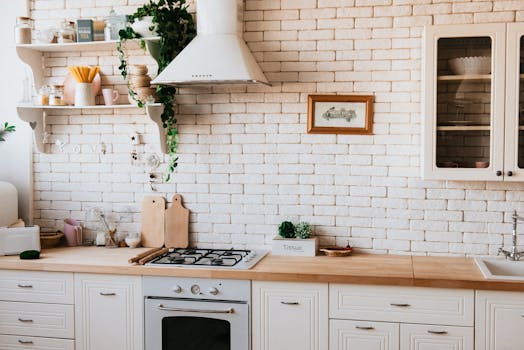
Your kitchen is often the heart of the home. Organizing it mindfully means making it a joy to prepare food and gather.
Prep Stations: Group cooking utensils, spices, and oils near your primary cooking zones. This reduces frantic searching and allows you to be more present while you cook.
Visual Calm: Clear countertops as much as possible. If you have decorative items, ensure they are intentional and calming. Consider a small plant or a piece of art.
Food as Fuel: Organize your pantry and fridge so you can easily see what you have. This prevents waste and encourages healthier choices.
#### Living Spaces: Cultivating Calm and Connection
This is where you unwind, connect, and recharge. The energy here is paramount.
Intentional Seating: Arrange furniture to encourage conversation and connection, rather than just facing a screen.
“Anchor” Items: Designate specific spots for items like remotes, coasters, or books. This prevents them from migrating and creating visual noise.
Nooks of Solitude: If space allows, create a small corner for reading or quiet contemplation, even if it’s just a comfortable chair with a good lamp.
Storage Solutions That Serve, Not Suffocate
The right storage can be a game-changer. But when storage becomes another place to hide clutter, it defeats the purpose.
Visible is Better (Often): For frequently used items, clear containers or open shelving can be more mindful than opaque bins where items get lost.
Labels with Purpose: Labeling isn’t just about identification; it’s about reinforcing the intention of what’s inside. “Winter Scarves” is more helpful than “Misc. Fabric.”
Vertical Space Savvy: Utilize walls and height. This frees up floor space and can make a room feel larger and more organized.
The Digital Declutter: Extending Mindfulness Beyond the Physical
In today’s world, how we organize our digital lives directly impacts our mental state. Unchecked digital clutter can be just as overwhelming as physical mess.
Email Inbox as Sanctuary: Aim for “inbox zero” by processing emails regularly. Unsubscribe from newsletters you don’t read.
Desktop Zen: Keep your computer desktop clean and organized with clear folders.
* Photo Memory Management: Regularly sort and back up your digital photos. Delete duplicates and blurry shots.
Wrapping Up: Your Home as a Haven, Not a Hoard
Organizing your home mindfully is a journey, not a destination. It’s about creating a living environment that feels good, supports your aspirations, and allows you to breathe easier. It’s a practice that requires patience and self-compassion. Don’t strive for unattainable perfection; strive for progress and peace.
By incorporating these mindful practices, you’re not just tidying up; you’re actively cultivating a sanctuary, a space where you can truly thrive. Start small, be consistent, and notice the profound shift that occurs when your home reflects the calm, intentional life you wish to lead. Your space is a reflection of your inner world; make it a beautiful, peaceful one.